Licensing & complianceUpdated 21 June 202611 min read
CEC accreditation, explained without the brochure
People still say CEC accredited when they mean they can claim STCs. The installer and designer scheme is now Solar Accreditation Australia, the Clean Energy Council still lists products, and none of it replaces an electrical licence. This is the working version.
By Daniel Okonkwo
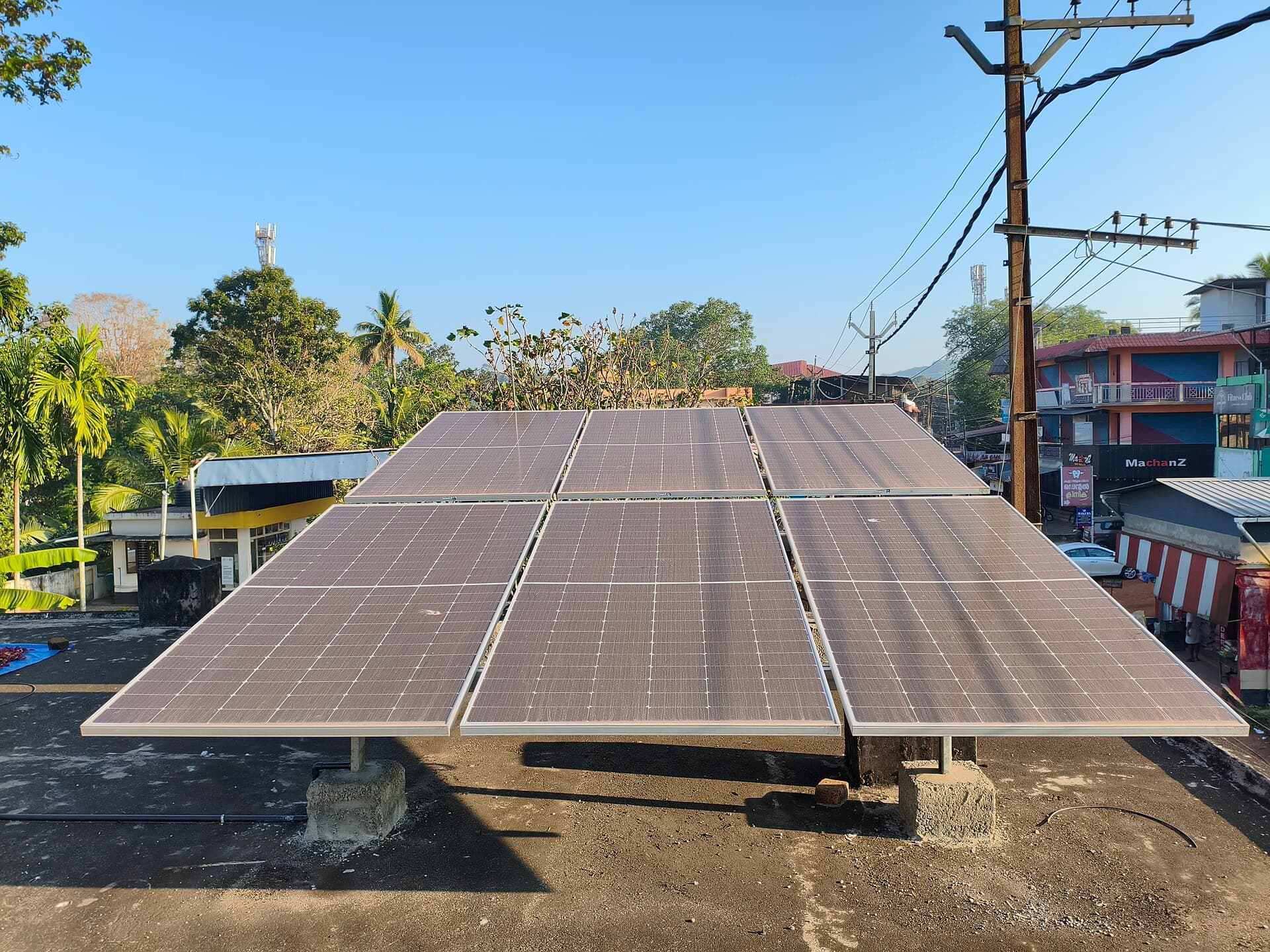
For more than a decade the phrase on the invoice was "CEC accredited installer". Salespeople said it. Builders said it. A surprising number of licensed electricians said it while meaning "I can create small-scale technology certificates". The brochure version of that phrase was tidy: do the course, get the sticker, put panels on roofs, claim the rebate.
The working version was never that tidy, and the institutional version has changed. On 29 February 2024 the Clean Energy Regulator approved Solar Accreditation Australia as the accreditation scheme operator for designers and installers under the Small-scale Renewable Energy Scheme. The Clean Energy Council completed the handover. CEC installer and designer numbers are historical. SAA issues the current numbers. The CEC still runs the approved products program — modules, inverters, batteries — and it still sits on standards committees. If you are still advertising a CEC installer number as if it were live, you are advertising a scheme that no longer accredits you.
This article uses both names on purpose. The industry still says CEC. The paperwork now says SAA. The electrical licence never said either.
Design and install are not the same accreditation
SAA, like the CEC scheme it replaced, splits people into designers and installers, and then into system types. The current categories that matter on most Australian roofs are Grid Connect Photovoltaics, Grid Connect Battery Systems, and Stand-alone Power Systems. A person may hold design, install, or both, in one or more of those categories.
Design accreditation is the person who is accountable for the design. That is not "I sketched the roof on a site visit". It is the documented design the scheme expects: array configuration, attachment and spacing, stringing, inverter selection against the approved product list, cable and protection coordination with AS/NZS 3000 and AS/NZS 4777, shutdown and isolation, and — for batteries — the additional requirements of the battery standard and the SAA category. The designer is the name the Clean Energy Regulator and the scheme operator can come back to when the array is shaded by a vent the site photo missed, or the inverter is undersized because someone copied the last quote.
Install accreditation is the person who is accountable for the installation. On a well-run job that person is on the roof, or is the licensed electrician supervising the work, and they are the name on the installation documentation. SAA and the Clean Energy Regulator both treat the accredited installer as the person responsible for the physical work meeting the scheme rules. Labourers and unaccredited tradespeople may assist. They may not be the accredited installer of record.
Holding design without install, or install without design, is normal. What is not normal, and what audits keep finding, is one accredited person lending their number to a job they did not design and did not attend, while a cheaper crew does the work. That was a CEC compliance problem. It is an SAA compliance problem. It is also, when the crew is unlicensed, an electrical safety problem for Energy Safe Victoria, the Electrical Safety Office, NSW Fair Trading, the SA Office of the Technical Regulator, WA Building and Energy, TAS CBOS, Access Canberra or NT WorkSafe, depending on the roof.
Battery work is its own category for a reason. Grid Connect Battery Systems accreditation is what the Cheaper Home Batteries Program and the STC rules are pointing at for grid-connected storage. Stand-alone Power Systems is a different competency. A GCPV installer who has never designed a battery does not become a battery designer by buying a hybrid inverter. The mandatory SAA modules — including the AS/NZS 4777.1:2024 essential learning, and the earth-neutral and fire-barrier modules for battery categories — exist because people were doing exactly that.
The relationship to the electrical licence
Accreditation sits on top of the licence. It does not sit instead of it.
The Clean Energy Regulator's published position is that accredited installers must also hold an unrestricted electrical licence in the state or territory of the installation, with a narrow carve-out for some stand-alone systems that do not involve electrical wiring at or above the extra-low-voltage thresholds. State electrical safety law is stricter than a carve-out on a Commonwealth rebates page. If the work is electrical work as defined in the local Act — and a grid-connected inverter energy system is — you need the local electrical worker licence and, if you are selling the work, the contractor licence.
That means a designer who is not an electrician can hold design accreditation and still cannot terminate AC, cannot alter a switchboard, and cannot certificate the installation. They design. A licensed electrician installs and certifies. If the designer and the installer are the same person, that person still needs both the SAA category and the electrical ticket.
It also means an electrician who is not accredited can lawfully install a PV system, in the narrow sense that the electrical safety Act does not mention SAA. What they cannot do is create STCs for that system, or access the rebate programs that require an accredited installer and designer. Most residential customers will not buy a system that cannot receive the certificate value. Most distributors will still want the connection paperwork. Doing unaccredited grid-connect work "because I have a licence" is usually a commercial dead end, and it is a compliance dead end if you then create certificates you are not entitled to create.
Restricted electrical licence holders are not unrestricted electricians. A refrigeration endorsement does not become a solar ticket because the condenser is on the same roof as the array. Restricted electrical work stays restricted.
Mutual recognition of electrical licences does not move SAA accreditation. Accreditation is national and personal. The electrical licence is state-based. Crossing the border may require an AMR notification for the licence. It does not create a second SAA category, and it does not let you install in a state where your electrical licence does not run.
SAA, CEC, JAS-ANZ and who actually stamps what
Three organisations get mixed together in sales meetings. They do different jobs.
Solar Accreditation Australia is the Clean Energy Regulator's approved accreditation scheme operator for people — designers and installers — under the SRES. Since July 2025, new accreditations have been issued on a twelve-month cycle. Holders complete CPD (SAA currently requires 100 points in twelve months, plus mandatory modules), keep their details current, and respond to compliance notices. Fees and point rules change; read them on SAA's site, not on a quote from 2022. If accreditation lapses for more than twelve months you are in a new-application process, not a renewal.
The Clean Energy Council no longer accredits those people. It still administers the approved products lists for PV modules, inverters and batteries, a role the Clean Energy Regulator formalised in 2024. A product on the CEC list has been assessed against the listing rules, which include certification to the relevant standards. The CEC can suspend or remove a listing. Installers who fit a delisted inverter and then try to create STCs find out what "approved at the time of installation" actually means.
JAS-ANZ is the joint accreditation body for Australia and New Zealand. It accredits conformity assessment bodies — the organisations that certify products, inspect, test and verify. It is not the installer scheme. When a battery listing says the product was certified by a body accredited by JAS-ANZ (or against IEC pathways the listing rules accept), that is a statement about the product certificate, not about the person on the roof. Treating "JAS-ANZ" as a personal qualification is brochure language. It is meaningless on a contractor's licence application.
The Clean Energy Regulator sits above the people scheme and the product lists. It is the agency that decides whether STCs may be created, and it inspects. State regulators sit beside all of this, and they do not take "the CEC said it was fine" as an answer to an earthing failure.
Grid connection paperwork is a third system
Accreditation gets you into the STC conversation. It does not connect the inverter to the grid.
Every distributor has a connection process for embedded generation: an application, an export limit, sometimes a meter change, sometimes a network study, always a model of inverter that the network will accept. The network list and the CEC approved inverter list overlap; they are not the same list. A unit can be on one and not the other. Commissioning against AS/NZS 4777.2, including the Australia-specific settings, is part of making the connection lawful. So is the local electrical certificate — COES, CCEW, eCoC or the local CoC — because you altered the electrical installation.
The paperwork pile on a straightforward 6.6 kW residential job is therefore: SAA designer and installer (right categories, current), unrestricted electrical licence and contractor authority in that state, CEC-listed modules and inverter (and battery, if any) current on the day of install, distributor connection approval, Section 8 tests under the Wiring Rules, the local certificate of compliance, and the STC assignment documents with the new SAA number. Miss one, and you have either an uncertified installation, an uncreateable certificate, or a network that will not energise the inverter.
State rebate programs add their own conditions. They usually require the same accredited people and the same approved products. They sometimes require a specific retailer code of conduct that the CEC still has a relationship with. Check the program rules. Do not assume a Victorian rebate condition applies to a Queensland job, or the reverse.
What CEC — and SAA — do not replace
They do not replace the electrical licence or the contractor licence. They do not replace AS/NZS 3000, AS/NZS 4777, AS/NZS 5033 or its successor, AS/NZS 5139, the National Construction Code, or the distributor's service rules. They do not replace workers compensation, public liability or professional indemnity. They do not replace the duty to isolate, to test, and to refuse unsafe work. They do not make a labourer into an installer of record. They do not make a company accredited; SAA accredits individuals. They do not make a design that ignored shading into a compliant design because the inverter is on the list.
They also do not make the CEC responsible for your switchboard. Product listing is a product function. If the main switchboard cannot accept the required generation isolation and protection, that is a Wiring Rules and contractor problem. Upgrading the board is electrical contracting. It is not "part of the panel package" in any sense that removes the need for a licensed person and a certificate.
The solar and renewables hub is where this journal puts the installation defects. The licensing hub is where the ticket sits. Keep them in the same job file.
Common audit and inspection findings
The findings have been stable for years. Only the letterhead changed.
Wrong name on the job. The accredited installer of record was in another city. The crew on site held no relevant accreditation, and sometimes no electrical licence. SAA and the Regulator treat this as a scheme breach. The state regulator treats the unlicensed part as unlicensed electrical work.
Expired or wrong category. GCPV install used to cover a battery add-on in the installer's head. It does not. A lapsed CEC number used after the May 2024 cut-over does not create STCs. A category that does not match the system that was built does not create STCs.
Product not on the list, or not on the list that day. Parallel-imported modules, inverters that were suspended, batteries listed for a different model number, and equipment installed after the listing expired. The test is the list at installation, not the list when the quote was written.
Design that is not the installed system. String counts change on the roof. An extra panel is squeezed in. A different inverter is collected from the wholesaler because the specified unit is out of stock. If the installed system is not the designed system, someone has to revise the design under a current design accreditation before the certificates are created.
AS/NZS 4777 settings and isolation. Inverters left on factory settings, Australia region not selected, export limits not matching the connection agreement, DC isolators missing or poorly enclosed, AC isolation not where the Wiring Rules and 4777.1 require it. These fail both scheme audits and electrical inspections.
Earthing, bonding and roof fixings. Array earths that stop at the rail, bonding that ignores conductive roofing, fixings that ignore the wind region and the roof material, penetrations that ignore the NCC and the plumbing. None of these are "CEC issues" in the brochure sense. They are why inspections exist.
Switchboard work treated as extra. Generation main switches omitted, labels missing, existing RCD arrangements disturbed and not re-tested, consumer mains and service fusing ignored because "we only came for the solar". Section 8 still applies. The local certificate still applies.
Paperwork assembled after the fact. Site photos that do not match the address, serial numbers that do not match the invoice, and STC forms signed by a person who was not there. That is how people lose accreditation, and how some of them lose the electrical licence that the accreditation was sitting on.
A practical accreditation checklist
- Check the SAA register for the designer and the installer, by name and current category, on the day of install — not a screenshot from the sales folder.
- Confirm each of those people also holds the right electrical licence in the state of the installation, on the public register of Energy Safe Victoria, ESO, NSW Fair Trading / Building Commission NSW, CBS, Building and Energy, CBOS, Access Canberra or NT WorkSafe.
- If your business is contracting the work, confirm the contractor licence or REC is current and that the nominated supervisor is still yours.
- Confirm modules, inverter and battery are on the current CEC approved lists at installation, including model numbers that match the boxes.
- Confirm the distributor connection approval matches the proposed export and the inverter model.
- Keep design and install functions with people who actually did that work. Do not lend numbers.
- Install to AS/NZS 3000, AS/NZS 4777 and the array and battery standards. Test. Certificate. Then create STCs with the SAA number, not a retired CEC number.
- Complete mandatory SAA modules and CPD before renewal, including the 4777.1:2024 module if it applies to your accreditation date.
- If a compliance notice arrives, answer it. Rectification is cheaper than a suspended accreditation and a Regulator investigation.
- Do not advertise "CEC accredited installer" as a current credential. If you mean SAA, say SAA. If you mean CEC approved products, say that.
The brochure always made this look like a sticker. It is a permission to participate in a Commonwealth certificate scheme, sitting on top of a state electrical licence, sitting on top of a set of standards that do not care about your sticker. Use the permission. Do not confuse it with the licence.
Questions contractors ask
- Is CEC accreditation still the scheme I need to claim STCs?
- No. The Clean Energy Regulator approved Solar Accreditation Australia as the installer and designer accreditation scheme operator from 29 February 2024. CEC installer numbers could only be used for installations completed before the May 2024 cut-over. New and renewing designer and installer accreditation is with SAA. The CEC still administers the approved products lists that those installations must use.
- Does SAA or CEC accreditation replace my electrical licence?
- No. Grid-connected install work still requires an unrestricted electrical licence in the state or territory of the installation, plus the local contractor authority if you are selling the work. Accreditation is a scheme condition for STCs and some rebates. It is not a licence, and it does not authorise electrical work on its own.
- What is the difference between design and install accreditation?
- Design accreditation authorises the person who signs the design — array layout, stringing, inverter selection, attachment and the documentation the scheme requires. Install accreditation authorises the person who supervises and signs the installation. They are separate competencies. Holding one does not grant the other, and a licensed electrician without the relevant SAA category still cannot claim STCs for that category.